
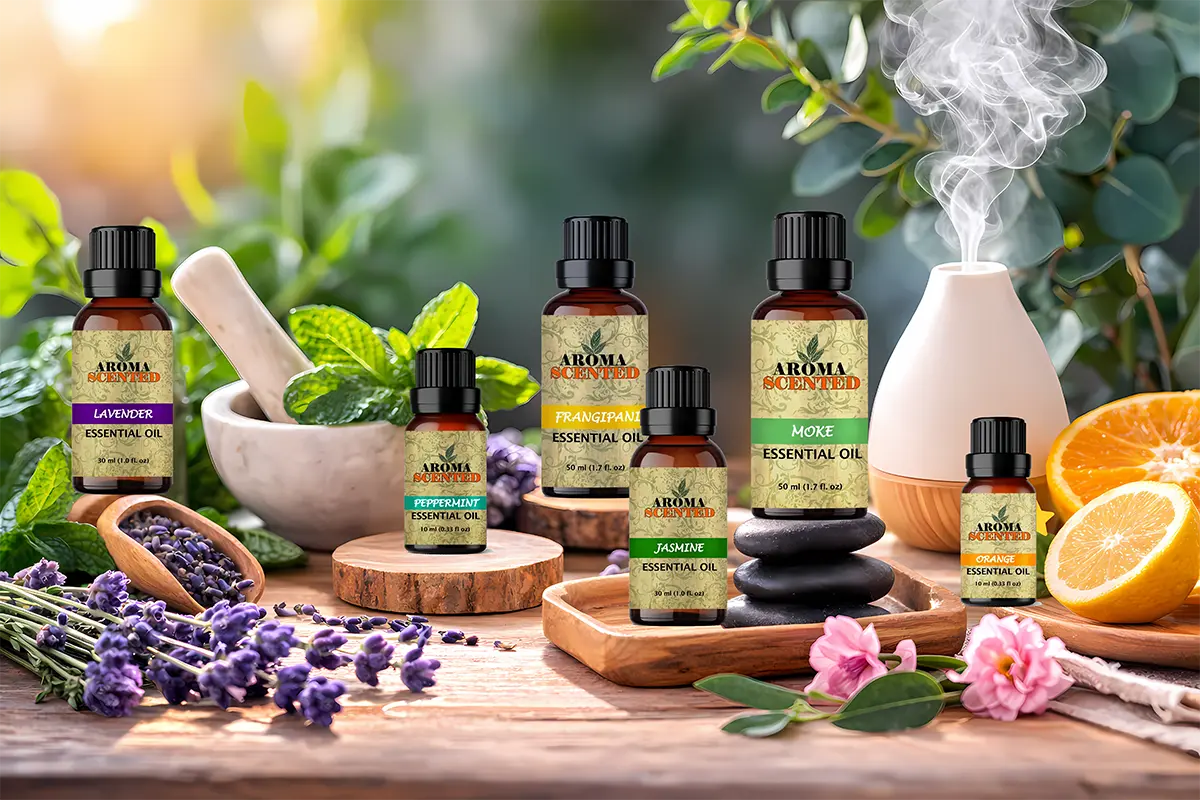
What Are Essential Oils? Benefits, Uses, and Beginner Guide to Natural Aromatherapy
What Are Essential Oils? A Complete Beginner’s Guide
Introduction
Essential oils have become increasingly popular around the world for their natural aroma, therapeutic properties, and versatility in daily life. From aromatherapy and relaxation to skincare and home fragrance, these concentrated plant extracts are widely used by people seeking natural wellness solutions.
But what exactly are essential oils? How are they made, and how can beginners use them safely?
In this complete beginner’s guide, we’ll explain everything you need to know about essential oils — including how they work, their benefits, and the most popular oils used around the world.
What Are Essential Oils?
Essential oils are highly concentrated natural oils extracted from plants. They capture the plant’s scent, flavor, and beneficial compounds — often called the plant’s “essence.”
These oils are typically extracted from different parts of plants, including:
- Flowers (Lavender, Jasmine)
- Leaves (Peppermint, Eucalyptus)
- Bark (Cinnamon)
- Roots (Ginger)
- Citrus peels (Orange, Lemon)
The result is a powerful aromatic oil that contains the plant’s natural fragrance and active components.
Because essential oils are extremely concentrated, only a small amount is needed to experience their aroma and benefits.
How Are Essential Oils Made?
Essential oils are usually extracted using two main methods:
1. Steam Distillation
Steam distillation is the most common method used to produce essential oils.
In this process:
- Steam passes through plant material.
- The heat releases the plant’s aromatic compounds.
- The vapor is collected and cooled.
- The oil separates from the water.
This method is commonly used for oils like:
- Lavender
- Tea Tree
- Eucalyptus
- Rosemary
2. Cold Press Extraction
Cold pressing is mainly used for citrus essential oils.
Instead of heat, the oil is extracted by pressing the peel of the fruit.
Examples include:
- Orange oil
- Lemon oil
- Lime oil
- Bergamot oil
This process helps preserve the fresh and vibrant citrus aroma.
Popular Essential Oils for Beginners
If you’re new to essential oils, these are some of the most popular and beginner-friendly options:
Lavender Essential Oil
Known for its calming aroma, lavender oil is commonly used to promote relaxation and better sleep.
Peppermint Essential Oil
Peppermint oil has a refreshing scent and is often used to boost focus, relieve headaches, and create an energizing atmosphere.
Eucalyptus Essential Oil
Eucalyptus oil has a clean, cooling aroma and is frequently used to support breathing and create a spa-like environment.
Tea Tree Essential Oil
Tea tree oil is widely used for skincare due to its natural cleansing properties.
Lemon Essential Oil
Lemon oil offers a bright citrus scent and is commonly used to freshen rooms and improve mood.
Benefits of Essential Oils
People use essential oils for many different reasons. Some of the most common benefits include:
1. Relaxation and Stress Relief
Many essential oils are used in aromatherapy to help reduce stress and promote relaxation.
Popular oils for relaxation include:
- Lavender
- Chamomile
- Sandalwood
2. Better Sleep
Certain oils may help create a calming environment before bedtime.
Common sleep-support oils:
- Lavender
- Ylang Ylang
- Roman Chamomile
3. Improving Focus and Energy
Some essential oils have refreshing aromas that help improve concentration and alertness.
Examples include:
- Peppermint
- Rosemary
- Lemon
4. Natural Home Fragrance
Essential oils are widely used in diffusers to make homes smell fresh and pleasant without synthetic chemicals.
Popular scents include:
- Orange
- Lemongrass
- Jasmine
- Ocean-inspired blends
How to Use Essential Oils
There are several simple ways beginners can start using essential oils.
1. Aromatherapy Diffuser
One of the easiest methods is using an essential oil diffuser.
Just add:
- Water
- 3–5 drops of essential oil
The diffuser will spread the aroma throughout the room.
2. Aromatherapy Burner
Another classic method is using an aroma burner with a candle.
The heat gently releases the fragrance into the air, creating a relaxing atmosphere.
3. Bath Relaxation
You can also add a few drops of essential oil to bathwater for a spa-like experience.
Tip: Always mix with a carrier oil first.
4. Massage Oil
Essential oils can be blended with carrier oils such as:
- Coconut oil
- Almond oil
- Jojoba oil
This mixture can be used for a relaxing massage.
Essential Oil Safety Tips
Because essential oils are very concentrated, beginners should always follow safety guidelines:
- Do not apply undiluted oils directly to the skin
- Always dilute with a carrier oil
- Avoid contact with eyes
- Keep away from children and pets
- Perform a patch test before using on skin
Using essential oils responsibly ensures a safe and enjoyable experience.
Final Thoughts
Essential oils are powerful natural extracts that have been used for centuries for their aroma, wellness benefits, and versatility.
Whether you want to create a relaxing atmosphere, improve focus, or enjoy natural fragrances in your home, essential oils offer a simple and natural solution.
If you’re just starting your essential oil journey, begin with a few popular oils like lavender, peppermint, or eucalyptus — and explore the world of aromatherapy step by step.
✔ Looking for high-quality essential oils?
Explore our collection of natural aromas at PRODUCTS
Discover scents that transform your space and elevate your everyday